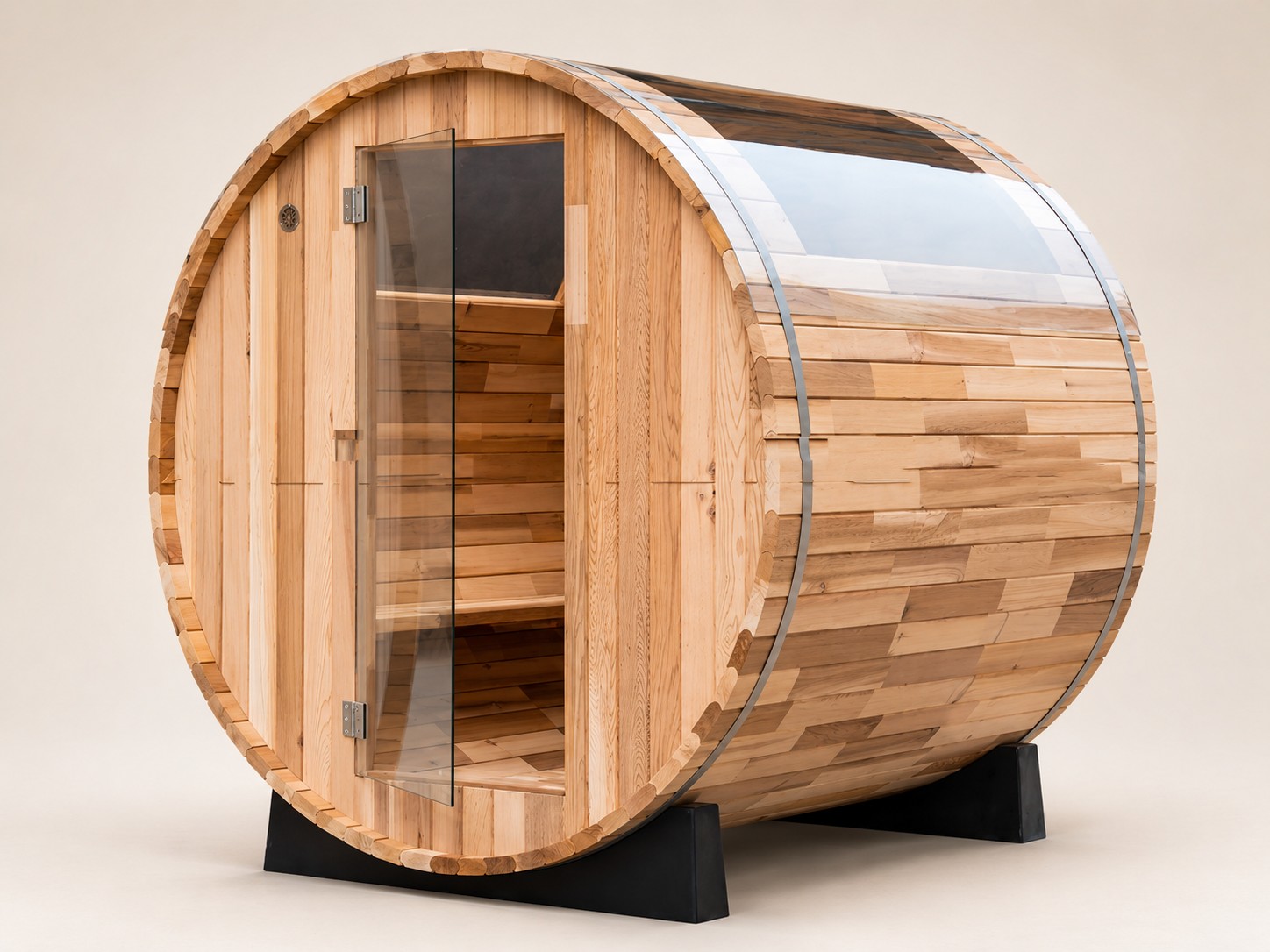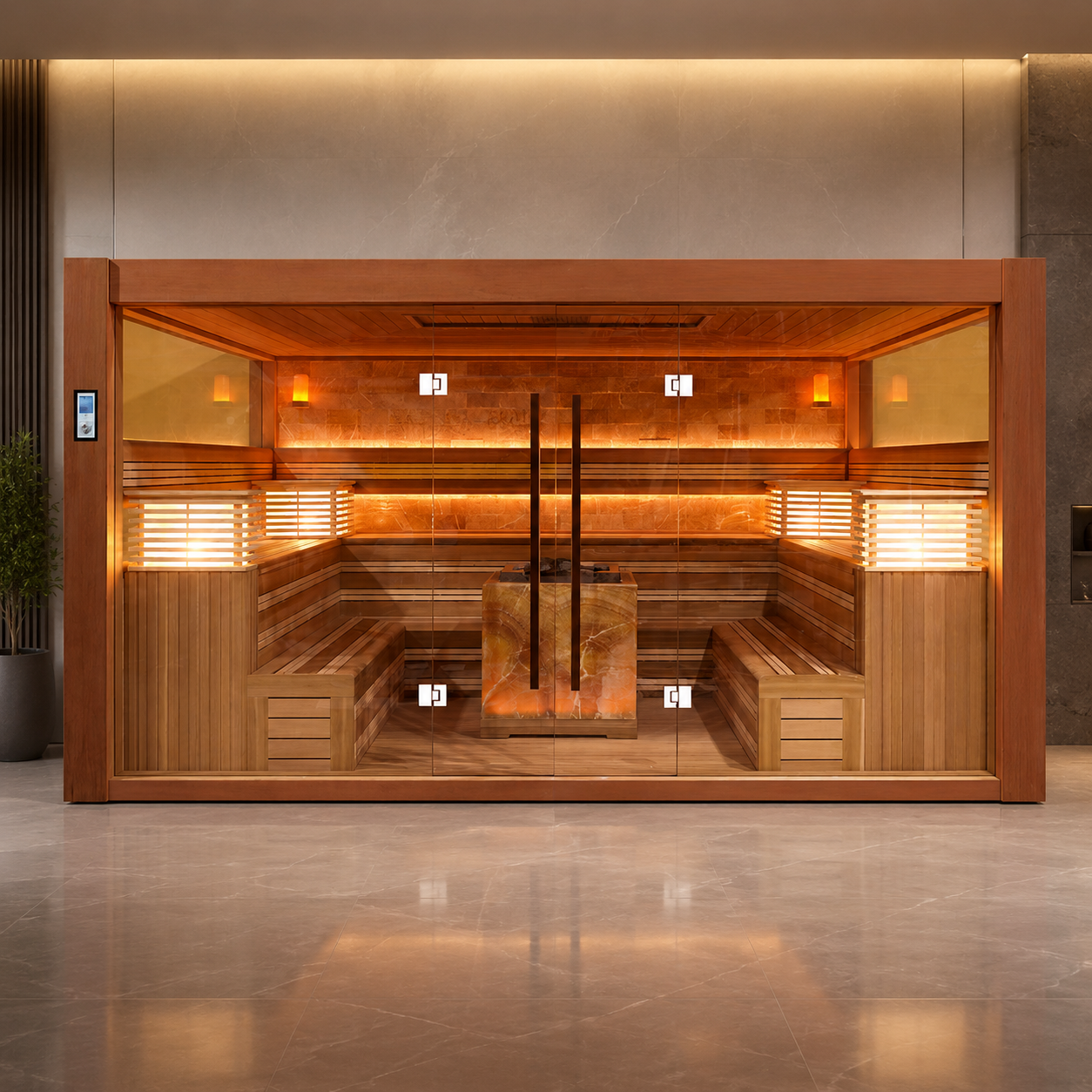
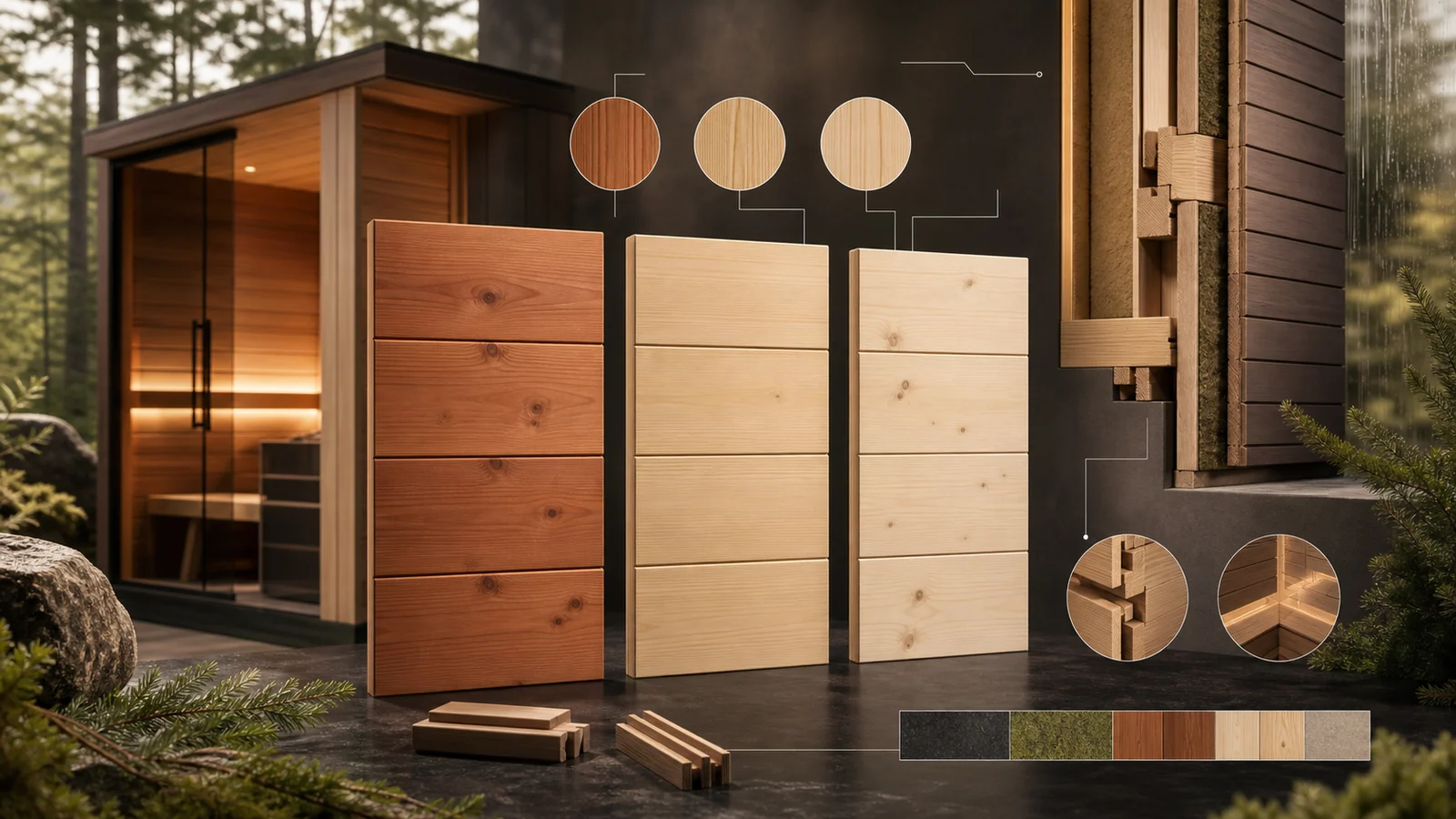
Buyer guide: sauna wood selection guide

Sauna Wood Selection Guide

GuideSauna Wood Selection Guide: Red Cedar, Hemlock, and Spruce

Compare sauna wood options like red cedar, hemlock, and spruce by appearance, outdoor exposure, stability, touch comfort, sourcing scope, and quote evidence.

sauna wood selection guide sourcing preview
Buyer-intent guide sauna wood selection guide

Planning the project

Two properties decide whether a wood belongs in a hot room: density and resin content. Heat transfers into skin roughly in proportion to density, so a bench in a 700 kg/m3 hardwood will burn at 85 C while a 370 kg/m3 softwood at the same temperature stays touchable. Resin is the second constraint — pine and spruce bleed pitch at bench temperature, and the pitch pockets around knots get hot enough to scald.

That gives a rule you can apply to any quotation: low-density, low-resin, knot-free wood for anything skin touches, and durability-rated wood for anything exposed to weather. The two requirements rarely point at the same species, which is why most real cabins are built from two or three woods rather than one.

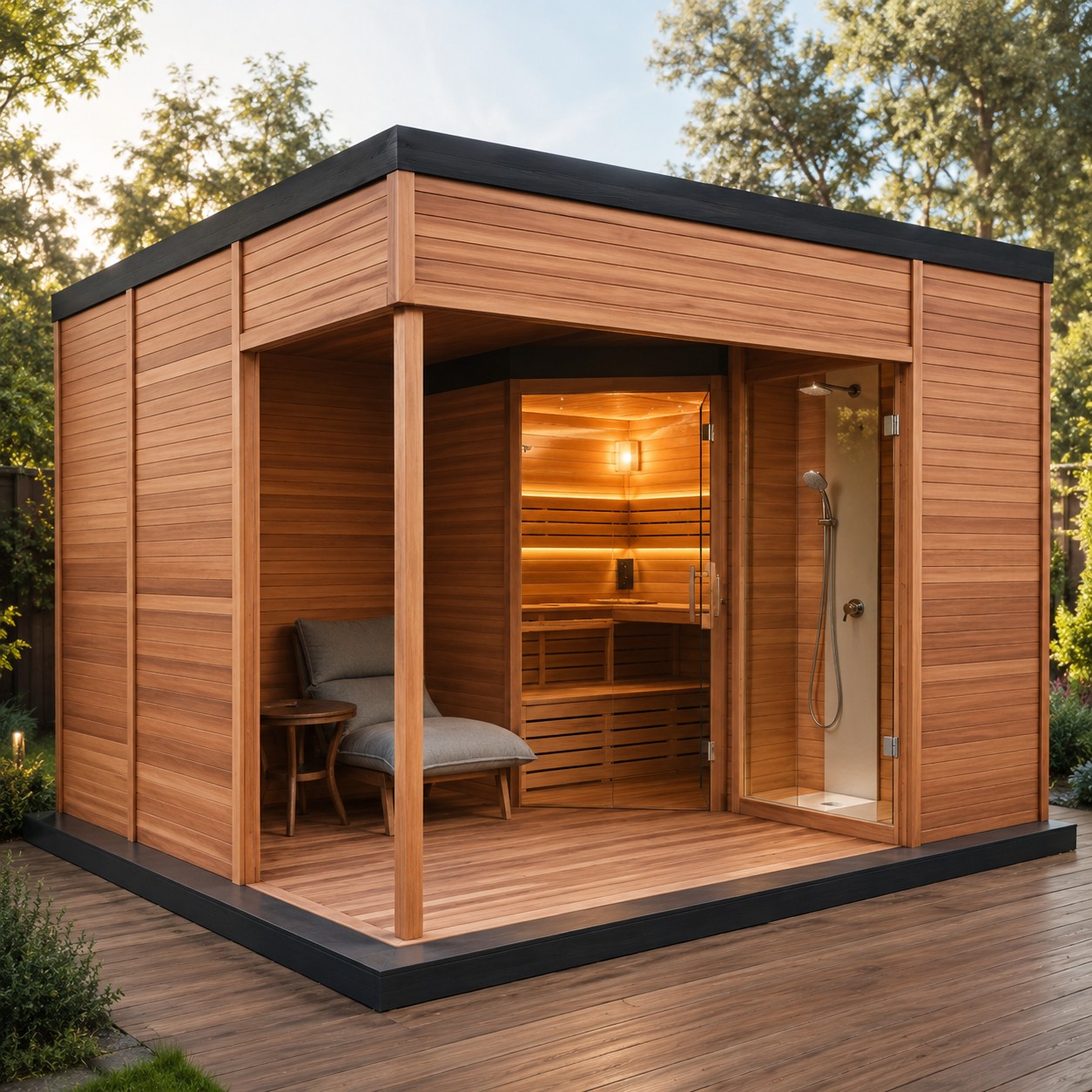
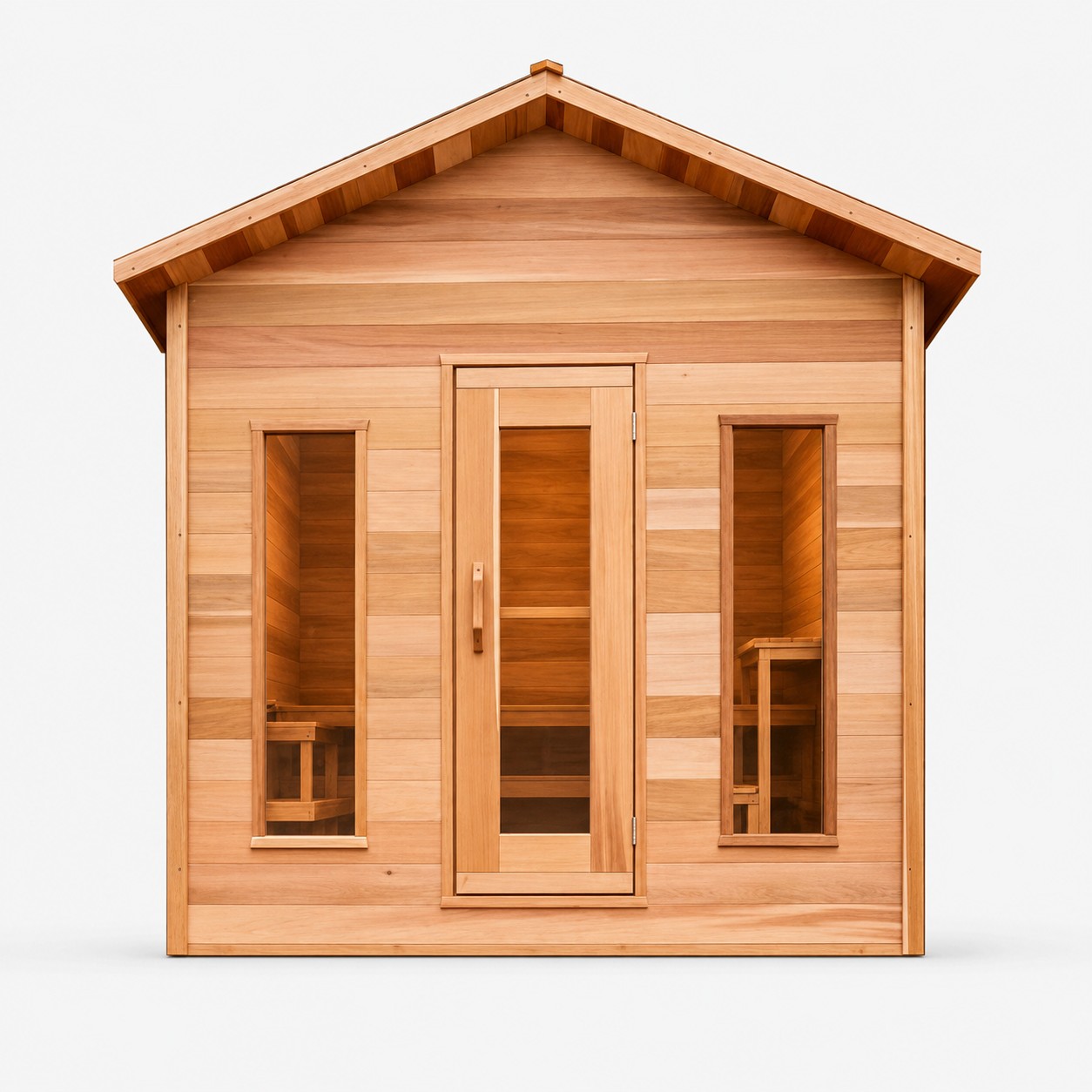
Sauna wood selection is a product-quality decision, not an appearance preference. Confirm whether a quotation means full cedar, cedar lining over a spruce frame, hemlock interior, or mixed construction — those are different products at similar headline prices.
Reference figures

Sauna woods compared by bench suitability and outdoor exposure

Densities are published averages at about 12% moisture content. Use them to predict how a bench will feel at 80-90 C and whether a species can face weather without treatment.

WoodDensityResin / pitchOutdoor exposureBench useUsual role
Western red cedar350-400 kg/m3Very lowNaturally durable (thujaplicins)ExcellentPremium cladding and benches
Thermally modified aspen400-470 kg/m3None after treatmentStable but interior useBest availableBench tops in hot rooms
Hemlock450-480 kg/m3Very low, near odourlessNot durable — interior onlyGoodInterior lining and benches
Nordic spruce430-470 kg/m3High, knots bleed pitchNeeds finish and roof detailAvoidStructure and exterior cladding
Scots pine470-520 kg/m3High, visible pitch pocketsCommon outdoors when treatedAvoidFrames and cladding
Red oak700-770 kg/m3Low resin but open-poredPoor — absorbs moistureDo not useNot a sauna wood

Red oak appears here because buyers ask for it. Its density conducts heat into skin fast enough to burn at normal bench temperature, and its open pores hold moisture, so it is listed as a material to rule out rather than an option to price.

Products to compare

Compare models.

FAQ

Common questions about sauna wood selection guide.

Which wood should the benches be made of?

Thermally modified aspen first, then western red cedar or hemlock. All three sit under about 480 kg/m3 and carry almost no resin, so they stay touchable at 80-90 C. Benches should also be knot-free: pitch pockets around knots reach a higher surface temperature than the board around them.

Is red cedar always the best sauna wood?

It is the best single answer for a cabin that must handle both jobs, because it is light enough for benches and naturally rot-resistant outdoors. But a spruce-framed cabin with a cedar or hemlock interior performs the same on the bench at a lower price. Pay for cedar where it is touched or exposed, not where it is hidden.

Can a sauna be built from pine or spruce?

For the structure and exterior cladding, yes — most European outdoor cabins are. For benches and backrests, no. Both species bleed resin at bench temperature, which stains skin and towels and makes knots hot enough to scald.

Why should the RFQ separate interior and exterior wood?

Because two cabins quoted as "cedar sauna" can mean full cedar throughout or a cedar face over a spruce frame, and the price gap between them is large. Ask for the species of the exterior cladding, interior lining, benches, door frame, and structural frame as five separate lines.

Direct sourcing

Request quote

Tell us the product, quantity and delivery destination. Add any installation or configuration requirements.

Send project inquiry

Ask about the equipment, documents and delivery details needed for your quote.

Add project details and drawings Optional, but useful for faster model, packing, certificate, and freight review.

Secure lead desk: your RFQ is sent to the project team. If you do not receive a reply, email .