
Buyer guide: infrared sauna vs traditional sauna cabin

Infrared Sauna vs Traditional Sauna Cabin

GuideInfrared Sauna vs Traditional Sauna Cabin: RFQ Differences

Compare infrared and traditional sauna cabin sourcing by heater route, room construction, electrical needs, user expectation, documentation, and quote scope.

infrared sauna vs traditional sauna cabin sourcing preview
Buyer-intent guide infrared sauna vs traditional sauna cabin
Confirm whether the buyer wants infrared panels, electric heater, wood-fired route, or another heating package.Compare room size, capacity, heat-up expectation, ventilation, glass, bench layout, and exterior weather exposure.Ask for voltage, control system, heater label, manual, certificate scope, and installation assumptions.
infrared sauna vs traditional sauna cabin guide

Why this query matters

Infrared and traditional sauna cabins solve different buyer needs. Infrared routes usually focus on panels, wiring, control, and compact indoor use, while traditional sauna cabins focus on heater route, ventilation, wood structure, heat retention, and outdoor or commercial setting.

A useful RFQ should separate heater technology, room size, capacity, installation site, destination electrical standard, and whether the buyer wants a home unit, hotel room upgrade, resort amenity, or distributor program.

The safest comparison is not which type is universally better, but which complete configuration matches site constraints, user expectation, documentation needs, and after-sales route.

Direct answer

infrared sauna vs traditional sauna cabin: what project buyers should compare first.

Infrared and traditional sauna cabins solve different buyer needs. Infrared routes usually focus on panels, wiring, control, and compact indoor use, while traditional sauna cabins focus on heater route, ventilation, wood structure, heat retention, and outdoor or commercial setting.

Use this page for infrared sauna vs traditional sauna cabin sourcing, RFQ preparation, and supplier comparison. Do not infer Final price, certification, warranty, voltage, or delivery terms without written confirmation. Quote path For infrared sauna vs traditional sauna cabin, the useful next step is a model-level RFQ with product scope, quantity, destination, site use, options, and timeline.

Sourcing matrix

Convert the search question into quote evidence.

A useful RFQ should separate heater technology, room size, capacity, installation site, destination electrical standard, and whether the buyer wants a home unit, hotel room upgrade, resort amenity, or distributor program.

Buyer check Why it matters Evidence to request Next route
Confirm whether the buyer wants infrared panels, electric heater, wood-fired route, or another heating package. Infrared and traditional sauna cabins solve different buyer needs. Infrared routes usually focus on panels, wiring, control, and compact indoor use, while traditional sauna cabins focus on heater route, ventilation, wood structure, heat retention, and outdoor or commercial setting. scope and assembly method Compare model page first
Compare room size, capacity, heat-up expectation, ventilation, glass, bench layout, and exterior weather exposure. A useful RFQ should separate heater technology, room size, capacity, installation site, destination electrical standard, and whether the buyer wants a home unit, hotel room upgrade, resort amenity, or distributor program. model dimensions and capacity Compare model page first
Ask for voltage, control system, heater label, manual, certificate scope, and installation assumptions. The safest comparison is not which type is universally better, but which complete configuration matches site constraints, user expectation, documentation needs, and after-sales route. heater, control, or water-system specification Confirm in RFQ before price
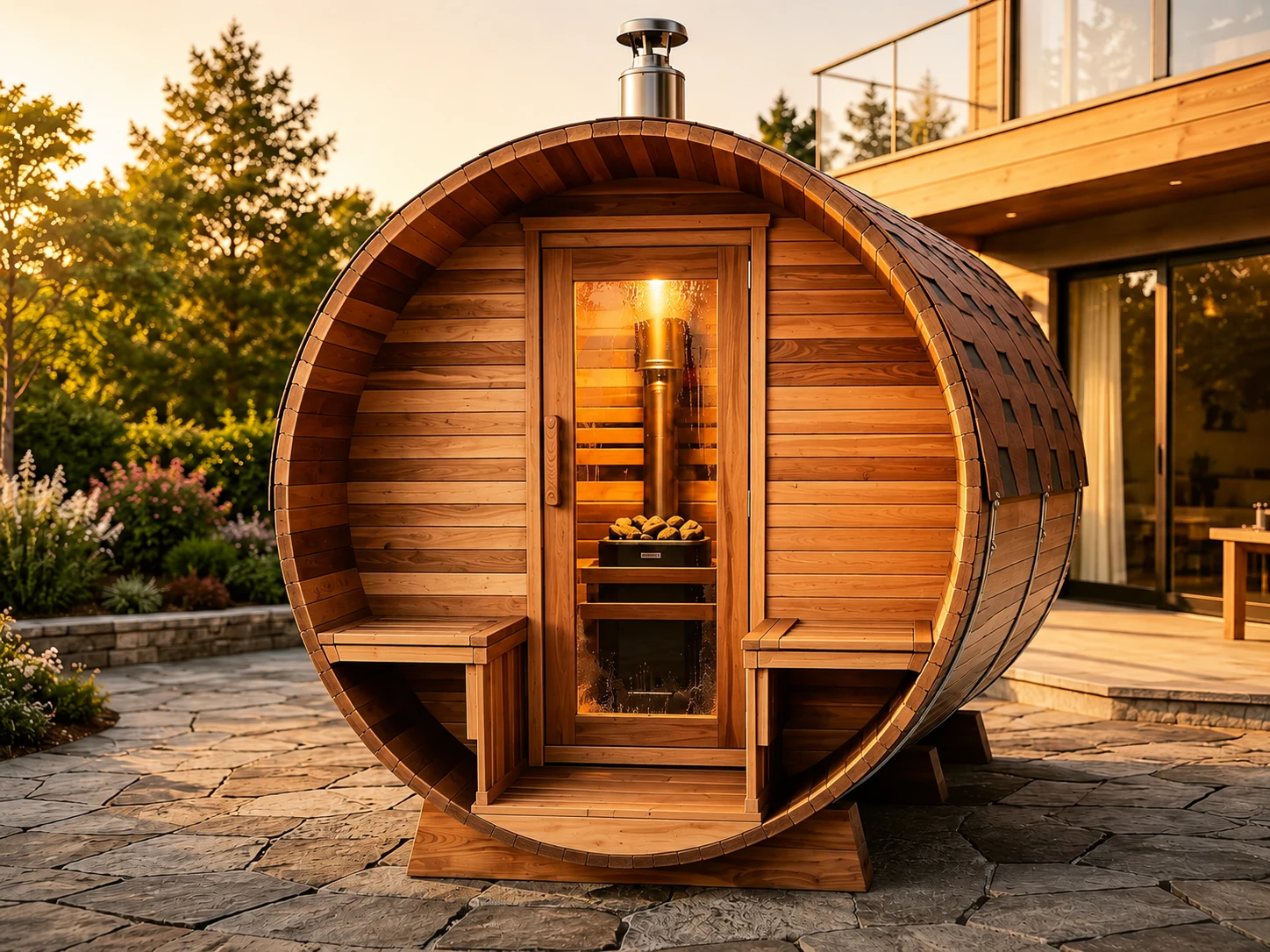
Separate indoor compact cabin buyers from outdoor resort or backyard sauna buyers before final model selection. Infrared and traditional sauna cabins solve different buyer needs. Infrared routes usually focus on panels, wiring, control, and compact indoor use, while traditional sauna cabins focus on heater route, ventilation, wood structure, heat retention, and outdoor or commercial setting. destination, packing, and installation assumptions Confirm in RFQ before price
Request current photos, component close-ups, packing data, and written warranty scope before deposit. A useful RFQ should separate heater technology, room size, capacity, installation site, destination electrical standard, and whether the buyer wants a home unit, hotel room upgrade, resort amenity, or distributor program. customization, documentation, and timeline Confirm in RFQ before price

Buyer checks

Use these checks before comparing suppliers.

Confirm whether the buyer wants infrared panels, electric heater, wood-fired route, or another heating package.

Compare room size, capacity, heat-up expectation, ventilation, glass, bench layout, and exterior weather exposure.

Ask for voltage, control system, heater label, manual, certificate scope, and installation assumptions.

Products to compare

Turn product research into a model-level RFQ.

FAQ

Common sourcing questions for infrared sauna vs traditional sauna cabin.

Is infrared sauna better than a traditional sauna cabin?

Not universally. Infrared may fit compact indoor or wellness-room use, while traditional sauna cabins may fit outdoor, resort, or higher-heat expectations. The site and buyer route decide.

What should buyers compare before requesting price?

Compare heater route, room size, capacity, installation site, electrical standard, ventilation, exterior exposure, certificate scope, packing, and warranty split.

Direct sourcing

Send one structured inquiry instead of chasing generic prices.

The fastest useful reply comes from product type, quantity, destination, timeline, and customization notes.

Project quote intake

Build a reply-ready brief.
RFQ / 04
01 Product route02 Quantity03 Destination04 Email / WhatsApp
Add project details and drawings Optional, but useful for faster model, packing, certificate, and freight review.

Secure lead desk: your RFQ is sent to the project team. If you do not receive a reply, email .